

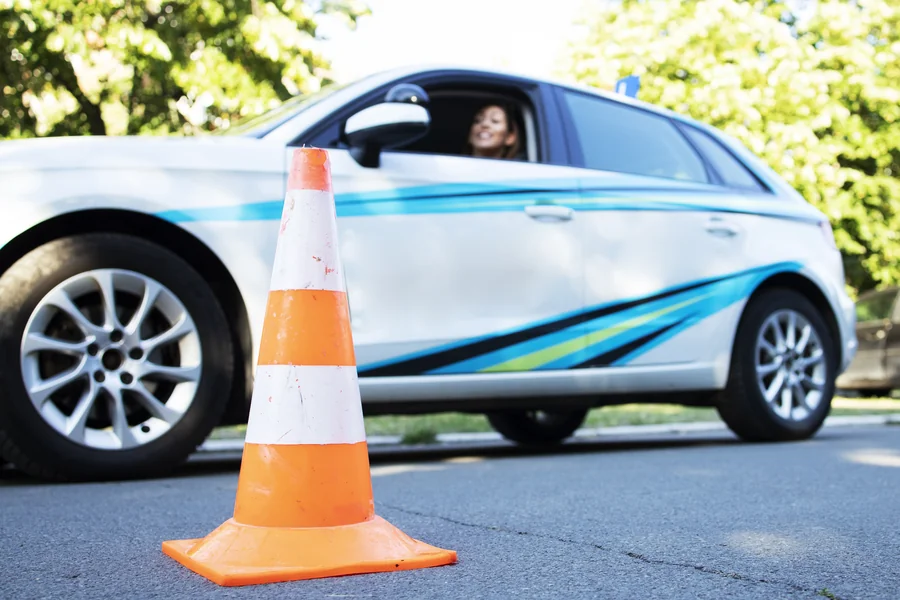
Traffic safety relies on a combination of planning, awareness, and the right equipment, and high-visibility traffic cones are one of the simplest yet most effective tools in that system. You’ve likely seen them on highways, near construction sites, or guiding vehicles around temporary detours. Their bright color and reflective design are not just for show; they serve a clear purpose in alerting road users to potential hazards and changes in traffic conditions.
As roads become busier and work zones more common, these cones play an increasingly important role in preventing confusion and reducing accidents. They help organize movement, create safe boundaries, and provide clear visual cues that drivers and pedestrians can easily understand at a glance. This blog explores why high-visibility traffic cones are so important for public safety and how they contribute to safer roads for everyone.
Enhancing Visibility for Roadway Users
High-visibility traffic cones improve awareness by marking changes in road conditions clearly and instantly. Their reflective surfaces and bright orange coloring stand out in both daylight and low-light environments, ensuring they are seen from a distance. This visibility helps drivers react early to lane closures, detours, or obstacles ahead. Pedestrians also benefit from clearer boundaries in shared spaces. By enhancing visual communication on roads, cones lessen confusion and create a safer driving environment where unexpected hazards are easier to identify and avoid.
Reducing Accident Risks in Work Zones
Traffic cones play a vital role in minimizing accidents in construction and maintenance areas. They clearly define restricted zones, keeping vehicles away from active workspaces where workers may be exposed to danger. By creating physical separation between moving traffic and hazardous areas, cones reduce the likelihood of collisions. Their presence also encourages drivers to slow down and proceed with caution. This simple yet effective tool helps lower injury rates and ensures that road crews can perform their tasks with a greater level of safety and protection.
Guiding Traffic Flow in Temporary Conditions
Traffic cones are essential for directing vehicles during temporary road changes such as detours, lane shifts, or special events. They help establish clear pathways that guide drivers through unfamiliar or modified routes. Without proper guidance, traffic congestion and confusion can quickly arise, increasing the risk of accidents. Cones provide a flexible solution that can be quickly deployed and adjusted as needed. By organizing traffic flow in real time, they help maintain order and minimize disruptions in busy or changing environments.
Protecting Workers in Hazardous Environments
One of the most important functions of high-visibility traffic cones is safeguarding road workers. Construction zones, repair sites, and inspection areas often expose workers to moving vehicles and heavy equipment. Cones create a visible buffer zone that signals danger and keeps unauthorized vehicles at a safe distance. This added layer of protection helps reduce the risk of injury and ensures compliance with safety regulations. By clearly defining work boundaries, cones support a safer working environment where tasks can be completed more efficiently and securely.
Supporting Emergency Response and Incident Control
Traffic cones are also critical during emergencies such as accidents, breakdowns, or natural disasters. First responders use them to quickly secure scenes, redirect traffic, and create safe working space. Their portability allows rapid deployment, which is essential in time-sensitive situations. Cones help prevent secondary accidents by warning approaching drivers of hazards ahead. They also assist in organizing chaotic traffic conditions, allowing emergency personnel to focus on response efforts. In this way, cones become a simple but powerful tool in crisis management and public safety control.
High-visibility traffic cones are an essential part of modern road safety systems. Their ability to enhance visibility, reduce accident risks, guide traffic, protect workers, and support emergency response makes them indispensable in both everyday and high-risk situations. While simple in design, their impact on public safety is significant. As roads continue to become busier and more complex, the role of traffic cones in maintaining order and preventing accidents remains as important as ever.
