

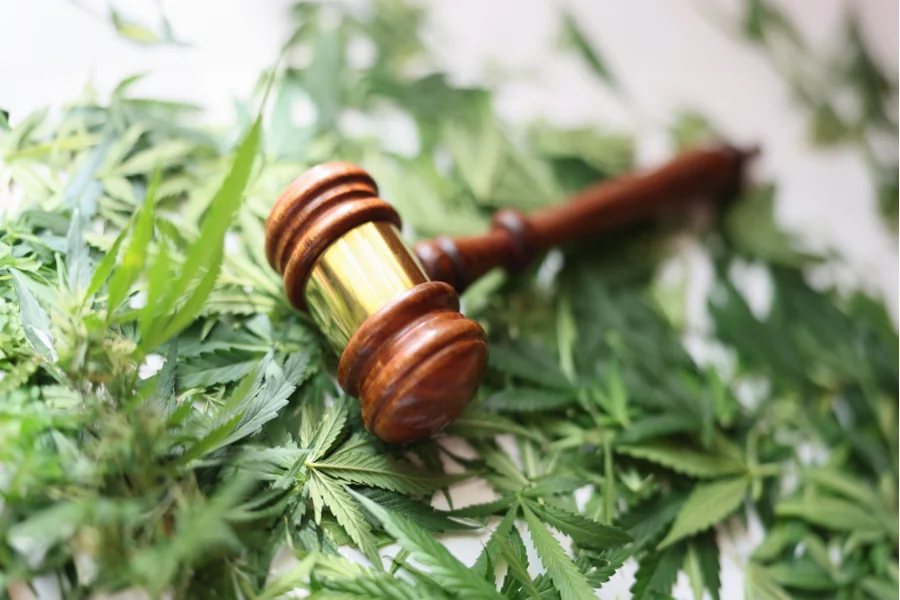
Let’s be direct: growing marijuana without an Oklahoma medical marijuana card is a criminal offense that can result in arrest, prosecution, fines, and incarceration. Here’s what actually happens if you grow cannabis in Oklahoma without legal authorization.
You’re Committing a Criminal Offense
The most immediate and serious consequence of growing marijuana without a medical card is that you’re breaking Oklahoma law. Cannabis cultivation without authorization isn’t a minor infraction or a civil violation—it’s a criminal act that law enforcement takes seriously.
The Legal Reality:
Marijuana remains a controlled substance. Despite Oklahoma’s progressive medical marijuana program, cannabis is still classified as a controlled substance under state law. Only individuals with valid medical marijuana cards have legal protection to possess and cultivate cannabis.
No amount is “safe.” Even a single plant growing in your closet is illegal without a medical card. There’s no minimum threshold that keeps you safe from prosecution. One plant or one hundred—both are criminal violations if you’re not a registered patient.
Federal law still applies. Marijuana cultivation remains illegal under federal law regardless of state medical programs. While federal prosecution of small-scale growers is rare, it’s technically possible and becomes more likely with larger operations.
“I didn’t know” isn’t a defense. Claiming ignorance of the law won’t protect you in court. Oklahoma law is clear about cultivation requirements, and prosecutors don’t need to prove you understood the law—only that you broke it.
The bottom line: if you’re growing marijuana in Oklahoma without a medical card, you’re not in a gray area or a legal loophole. You’re simply breaking the law.
You Face Felony Charges and Serious Penalties
Growing marijuana without authorization isn’t treated as a minor misdemeanor in Oklahoma. Depending on the circumstances, cultivation charges are often prosecuted as felonies with harsh penalties.
Potential Criminal Consequences:
Cultivation charges are typically felonies. In Oklahoma, unlawful cultivation of marijuana is generally charged as a felony offense. The specific charge and penalty depend on factors like the number of plants, whether you intended to distribute, and your prior criminal history.
Prison time is a real possibility. Felony marijuana cultivation convictions can result in years of incarceration. Even first-time offenders may face prison sentences, particularly if the operation is large or there’s evidence of intent to sell.
Substantial fines. Beyond incarceration, you face significant financial penalties. Fines for marijuana cultivation can reach thousands or even tens of thousands of dollars, depending on the severity of charges.
Mandatory minimum sentences may apply. Oklahoma has specific sentencing guidelines for drug offenses. Depending on the circumstances, judges may have limited discretion to reduce sentences below mandatory minimums.
Aggravating factors increase penalties. Growing marijuana near schools, involving minors, possessing weapons, or evidence of distribution dramatically increases potential penalties. What started as a personal grow operation can become a much more serious case.
Long-Term Criminal Record Consequences:
A felony conviction doesn’t end when you finish your sentence. The criminal record follows you indefinitely:
Employment barriers. Felony drug convictions make finding employment extremely difficult. Many employers conduct background checks and won’t hire individuals with drug-related felonies.
Housing discrimination. Landlords routinely deny rental applications from individuals with criminal records, particularly drug offenses. Finding housing with a cultivation conviction becomes significantly harder.
Loss of civil rights. Felony convictions in Oklahoma can result in loss of voting rights, inability to possess firearms, and disqualification from certain professional licenses.
Educational consequences. Federal student aid can be denied or revoked due to drug convictions, making continuing education more difficult and expensive.
Immigration complications. Non-citizens face particularly severe consequences, including deportation, denial of naturalization, and inability to reenter the United States.
Law Enforcement Can Discover Your Operation
Many people growing marijuana without authorization believe they won’t get caught because they’re discreet. However, illegal grow operations are discovered regularly through various means.
How Grow Operations Are Detected:
Utility usage patterns. Indoor marijuana cultivation requires substantial electricity for lighting and ventilation. Unusual spikes in power consumption can trigger utility company reports or law enforcement investigations.
Odor complaints. Cannabis plants, especially during flowering, produce strong, distinctive odors that travel through ventilation systems, windows, and even walls. Neighbors frequently report suspicious smells to police.
Traffic patterns. Unusual visitor patterns, frequent late-night activity, or people carrying suspicious equipment in and out of a residence can attract attention from observant neighbors.
Accidental discovery. Maintenance workers, landlords conducting inspections, emergency responders, or guests can stumble upon grow operations and report them to authorities.
Tips from former associates. Falling out with roommates, partners, or friends who know about your operation can result in anonymous tips to law enforcement.
Social media and bragging. Surprisingly common—people post photos or videos of their plants online or tell too many people, and word eventually reaches law enforcement.
Theft victims. Some growers who are burglarized can’t report the theft without admitting to their illegal operation, but sometimes burglars get caught with stolen growing equipment, leading police back to the source.
What Happens During a Raid:
If law enforcement discovers your unauthorized grow operation, here’s what typically happens:
Search warrants. Police obtain search warrants based on evidence of cultivation. They’ll search your entire property, seizing plants, equipment, processed marijuana, and anything related to the operation.
Immediate arrest. You’ll likely be arrested on the spot and taken into custody. Depending on the circumstances, you may be held until arraignment or released on bond.
Property seizure. Beyond marijuana and growing equipment, law enforcement can seize property believed to be connected to drug crimes, including vehicles, cash, electronics, and even your home in extreme cases through civil asset forfeiture.
Evidence documentation. Police photograph everything, document plant counts, measure weights, and gather evidence that will be used against you in court.
Interviews and interrogation. You’ll be questioned about the operation. Remember: you have the right to remain silent and request an attorney. Use these rights.
Your Property Is at Risk
Beyond criminal charges, growing marijuana without authorization puts your home and belongings in jeopardy through civil asset forfeiture laws.
Asset Forfeiture Reality:
Your home can be seized. If you own your residence and are cultivating marijuana there, law enforcement can pursue civil forfeiture of the property itself, arguing it was used to facilitate drug crimes.
Vehicles and cash are vulnerable. Any vehicles used to transport equipment or marijuana, and any cash found on the property, can be seized and forfeited regardless of criminal conviction outcomes.
The burden shifts to you. In civil forfeiture proceedings, you must prove your property wasn’t involved in criminal activity—a reversal of the normal “innocent until proven guilty” standard.
Forfeiture can occur without conviction. Even if criminal charges are dropped or you’re acquitted, civil forfeiture proceedings can continue independently, and you may still lose your property.
This means you could potentially lose your home, car, and savings even if you’re never convicted of any crime.
Renters Face Eviction and Civil Liability
If you’re renting and growing marijuana without authorization, you face additional consequences beyond criminal charges.
Rental Consequences:
Immediate eviction. Illegal drug activity is grounds for immediate lease termination in Oklahoma. Your landlord can begin eviction proceedings as soon as they discover your unauthorized grow operation.
Property damage claims. Growing marijuana indoors often causes moisture damage, mold, electrical modifications, and other property damage. Landlords can sue you for these damages, often amounting to thousands of dollars.
Loss of security deposit. Forget getting your deposit back—it won’t come close to covering the damage and cleaning costs associated with dismantling a grow operation.
Future rental difficulties. An eviction related to illegal drug activity on your record makes finding future housing extremely difficult. Most landlords conduct background checks and won’t rent to individuals with drug-related evictions.
Lease violations follow you. Even without a formal eviction, breaking your lease for illegal activity gets reported and makes landlords reluctant to rent to you in the future.
There’s a Legal Alternative: Get Your Medical Card
Here’s the critical point that makes growing marijuana without authorization especially unnecessary in Oklahoma: getting a legitimate medical marijuana card is straightforward, affordable, and provides complete legal protection.
The Oklahoma Medical Marijuana Card Solution:
Easy qualification. Oklahoma has one of the most accessible medical marijuana programs in the country. If a licensed physician believes cannabis could benefit your condition, you can qualify. Conditions like chronic pain, anxiety, insomnia, and many others are commonly approved.
Quick telemedicine appointments. You can complete your physician consultation via video call from home in as little as 10-15 minutes. No lengthy doctor appointments or waiting rooms required.
Affordable process. The total cost of getting your Oklahoma medical marijuana card—including physician recommendation and state application fee—is typically $200-300. Compare this to the thousands in legal fees, fines, and potential incarceration you risk by growing illegally.
Legal cultivation rights. Once you have your card, you can legally grow up to six mature plants and six seedlings at your primary residence. You gain all the benefits of home cultivation without any of the criminal risks.
Two-year validity. Your card is valid for two full years, giving you long-term legal protection. Just remember to stay on top of your Oklahoma OMMA Card Renewal before it expires to maintain continuous legal coverage.
Complete legal protection. With a valid card, you’re protected under Oklahoma law. No criminal risk, no worry about raids, no asset forfeiture threats—just legal peace of mind.
Don’t Risk Your Future
The consequences of growing marijuana without a medical card in Oklahoma are severe, far-reaching, and completely avoidable. You’re risking:
- Felony criminal charges and prison time
- Tens of thousands in fines and legal fees
- Loss of your home and property through asset forfeiture
- A permanent criminal record affecting employment and housing
- Eviction and civil liability if you’re renting
- Federal charges in serious cases
- Immigration consequences for non-citizens
All of these devastating consequences can be avoided by simply obtaining a legal Oklahoma medical marijuana card through the proper channels.
Research Current Laws and Get Proper Authorization
If you’re considering growing marijuana in Oklahoma, the smart, safe, and legal approach is to obtain your medical marijuana card first. The laws surrounding marijuana cultivation can be complex and are subject to change, so if you have specific questions about Oklahoma’s medical marijuana program or cultivation requirements, research current laws through official sources like the Oklahoma Medical Marijuana Authority (OMMA) website or consult with a qualified attorney.
Don’t gamble with your freedom, your property, and your future. The legal path exists, it’s accessible, and it provides complete protection. Growing without authorization simply isn’t worth the risk when obtaining a medical card is so straightforward.
Take the legal route. Protect yourself. Get your Oklahoma medical marijuana card and grow your medicine with complete peace of mind.
