

In the world of printed circuit boards, ensuring durability, reliability, and seamless connectivity is crucial. One specialized type of PCB that plays a vital role in high-performance electronics is the Gold Finger Circuit Board. These boards are widely recognized for their gold-plated connectors, often referred to as “gold fingers,” which provide excellent conductivity and long-lasting wear resistance. From gaming devices and communication systems to aerospace electronics, gold finger PCBs are an essential solution for applications where superior connection quality is a must.
What is a Gold Finger Circuit Board?
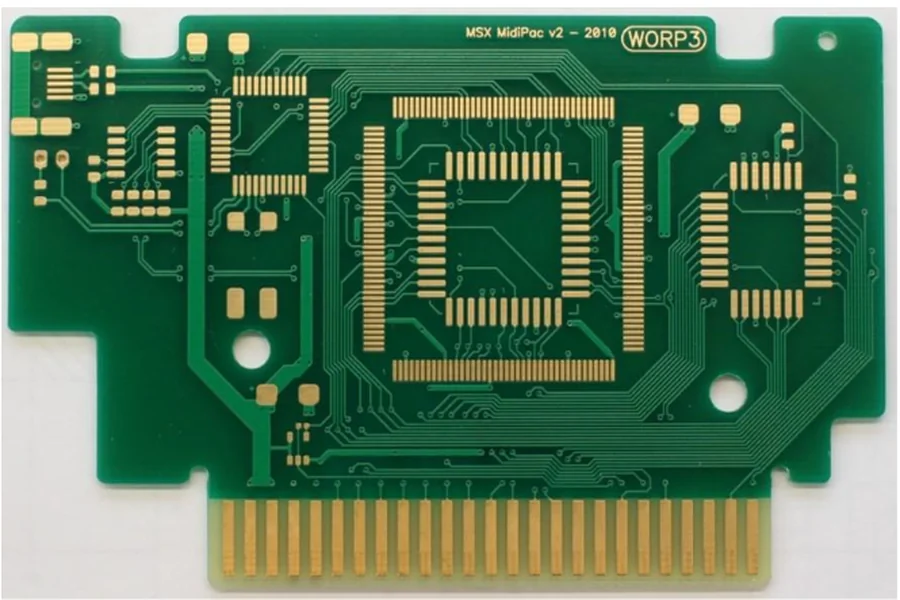
A Gold Finger Circuit Board is a PCB that features gold-plated connectors along its edge. These connectors act as an interface between the board and external devices or components, allowing signals and power to pass with minimal resistance. The “fingers” get their name from their elongated, thin, finger-like shape that fits into slots or connectors.
The primary reason for using gold is its exceptional conductivity and corrosion resistance. Unlike other metals that oxidize over time, gold maintains a clean, stable surface, which ensures a reliable connection even after thousands of mating cycles. This makes gold finger PCBs especially valuable in products that are plugged in and out frequently, such as computers, memory modules, and testing devices.
Benefits of Gold Finger Circuit Board
One of the greatest advantages of a Gold Finger Circuit Board is its durability. The gold-plated edges withstand repeated insertions without degrading, making them ideal for applications that require long-term reliability.
These boards also ensure excellent signal transmission. The low electrical resistance of gold helps in reducing signal loss and distortion, which is particularly important in high-frequency or high-speed applications.
Another benefit is corrosion resistance. Since gold does not easily tarnish or corrode, gold finger PCBs maintain consistent performance even in harsh environmental conditions. This makes them suitable for use in aerospace, military, and industrial equipment where long-term performance is critical.
Additionally, gold plating enhances the overall lifespan of the circuit board. While the cost of gold may increase the manufacturing expense, the extended reliability and reduced maintenance requirements often offset the initial investment.
Applications of Gold Finger Circuit Board
The Gold Finger Circuit Board is widely used across different industries. In consumer electronics, it is a key component in computers, gaming consoles, and smartphones, where high-speed data transfer and reliability are essential.
In the telecommunications industry, gold finger boards are used in servers, networking devices, and routers to ensure uninterrupted communication.
Medical devices also rely on gold finger PCBs because precision and durability are non-negotiable in life-saving equipment. Similarly, aerospace and defense sectors utilize these boards for their ability to withstand extreme temperatures, vibrations, and operational stress while maintaining stable performance.
Types of Gold Finger Circuit Board
Gold finger PCBs can vary depending on design and plating thickness. Some common variations include:
Hard Gold Finger Boards
These use electroplated hard gold, which provides superior wear resistance. They are often found in memory modules and connectors that require frequent insertion and removal.
Soft Gold Finger Boards
These use soft, pure gold, which is ideal for wire bonding and applications requiring a smooth finish.
Selective Gold Plating
This method applies gold only to specific parts of the PCB, reducing costs while ensuring performance where it is most needed.
Manufacturing of Gold Finger Circuit Board
The production of a Gold Finger Circuit Board involves precision and advanced plating techniques. Typically, the process includes surface preparation, nickel plating as a base layer, and then gold plating on the contact areas. The thickness of the gold layer depends on the application, with heavier plating used for high-durability needs.
To meet industry standards, manufacturers must comply with IPC regulations and quality checks. Proper beveling of the edges is also essential to ensure smooth insertion into connectors without damaging either the board or the socket.
Importance in Modern Electronics
As electronics become more compact and powerful, the role of Gold Finger Circuit Board technology becomes increasingly significant. Devices today demand stable, high-speed connections that can endure repeated usage without performance degradation. Gold finger PCBs meet these requirements, making them an indispensable component in modern design.
Furthermore, their ability to maintain signal integrity supports applications in advanced fields like 5G, AI systems, and IoT devices. Without such reliable connectors, achieving seamless performance in these cutting-edge technologies would be challenging.
Conclusion
The Gold Finger Circuit Board represents the perfect balance of durability, performance, and precision. From ensuring fast data transmission to providing long-lasting connectors, these specialized PCBs play an essential role in the success of modern electronics.
For businesses and engineers seeking high-quality boards, partnering with an experienced Gold Finger Circuit Board Manufacturer is crucial. A trusted manufacturer ensures that the plating process, design specifications, and quality standards meet the highest industry benchmarks. By choosing the right partner, companies can benefit from tailored solutions, reliable performance, and enhanced product longevity, making their electronics stand out in competitive markets.
